Articles to keep you learning

Why a Mortgage Pre-Approval Protects Both Your Head and Your Heart There’s no denying it—buying a home is an emotional journey. In a competitive market, it can feel like you need to stretch beyond your comfort zone or bid above asking just to have a chance. That pressure can make it hard to separate what you want from what you can realistically afford. One of the biggest pitfalls buyers face is falling in love with a home that’s outside their price range. Once that happens, every other property seems like a compromise—even the ones that might have been a perfect fit otherwise. The best way to avoid this heartache? Get pre-approved before you start shopping. What a Pre-Approval Does for You A mortgage pre-approval gives you more than just a number—it provides clarity, confidence, and protection: Know your buying power : Shop within your true price range and avoid disappointment. Spot potential roadblocks : Uncover issues like credit bureau errors before you make an offer. Get organized : Learn exactly what documentation you’ll need so there are no surprises. Lock in a rate : Many lenders hold your rate for 30–120 days, giving you peace of mind if rates rise. Save yourself heartache : Protect yourself from falling for a home you can’t afford. Head vs. Heart Buying a home is about balance. Your head tells you what’s financially sound, your heart tells you what feels right—and both matter. A pre-approval helps bring those two sides together, so you can make confident choices without emotional stress clouding your judgment. The Bottom Line Looking at properties for fun is one thing—but if you’re serious about buying, a pre-approval is the smartest first step you can take. It sets realistic expectations, saves time, and protects your emotions along the way. If you’d like to explore your options and get pre-approved, I’d be happy to walk through the process with you. Let’s make sure you’re ready to shop with confidence.

The Bank of Canada announced today that it is holding its target for the overnight rate at 2.25%, with the Bank Rate at 2.5% and the deposit rate at 2.20%. While Canada's economic recovery is broadening, a new layer of uncertainty has entered the picture. Here is what happened and what it means for your mortgage.

Don’t Forget About Closing Costs When planning to buy a home, most people focus on saving for the down payment. But the truth is, that’s only part of the equation. To actually finalize the purchase, you’ll also need to budget for closing costs —the out-of-pocket expenses that come up before you get the keys. Closing costs can add up quickly, which is why they should be part of your pre-approval conversation right from the start. Lenders will even require proof that you’ve got enough funds set aside. For example, if you’re getting an insured (high-ratio) mortgage, you’ll need at least 1.5% of the purchase price available in addition to your down payment. That means a 10% down payment actually requires 11.5% of the purchase price in cash to make everything work. Let’s break down some of the most common expenses you should prepare for: 1. Home Inspection & Appraisal Inspection : Paid by you, this gives peace of mind that the property is in good shape and doesn’t have hidden problems. Appraisal : Required by the lender to confirm value. Sometimes this is covered by mortgage insurance, sometimes by you. 2. Legal Fees A lawyer or notary is required to handle the title transfer and make sure the mortgage is properly registered. Legal fees are often one of the larger closing costs—unless you’re also responsible for property transfer tax. 3. Taxes Many provinces charge a property or land transfer tax based on the home’s purchase price. These fees can range from hundreds to thousands of dollars, so you’ll want to factor them in early. 4. Insurance Property insurance is mandatory—lenders won’t release funds without proof that the home is insured on closing day. Optional coverage like mortgage life, disability, or critical illness insurance may also be worth considering depending on your financial plan. 5. Moving Costs Whether you’re renting a truck, hiring movers, or bribing friends with pizza and gas money, moving comes with expenses. Cross-country moves especially can be surprisingly pricey. 6. Utilities & Deposits Setting up new services (electricity, water, internet) can involve connection fees or deposits, particularly if you don’t already have a payment history with the utility provider. Plan Ahead, Stress Less This list covers the big-ticket items, but every purchase is unique. That’s why it pays to have an accurate estimate of your personal closing costs before you make an offer. If you’d like help planning ahead—or want a breakdown tailored to your situation—let’s connect. I’d be happy to walk you through the numbers and make sure you’re fully prepared.

Alternative Lending in Canada: What It Is and When It Makes Sense Not everyone fits into the traditional lending box—and that’s where alternative mortgage lenders come in. Alternative lending refers to any mortgage solution that falls outside of the typical big bank offerings. These lenders are flexible, creative, and focused on helping Canadians who may not qualify for traditional financing still access the real estate market. Let’s explore when alternative lending might be the right fit for you. 1. You Have Damaged Credit Bad credit doesn’t have to mean your homeownership dreams are over. Many alternative lenders take a big-picture approach . While credit scores matter, they’ll also look at: Stable employment Consistent income Size of your down payment or existing equity If your credit has taken a hit but you can demonstrate strong income and savings—or have a solid explanation for past credit issues— an alternative lender may approve your mortgage when a bank won’t. Pro tip: Use an alternative mortgage as a short-term solution while you rebuild your credit, then refinance into a traditional mortgage with better terms down the line. 2. You're Self-Employed Being your own boss has its perks—but mortgage approval isn’t usually one of them. Traditional lenders require verifiable, consistent income—often two years’ worth. But self-employed Canadians typically write off significant expenses, reducing their declared income. Alternative lenders are more flexible and understanding of self-employed income structures. If your business is profitable and your personal finances are healthy, you may qualify even with lower stated income. Even if interest rates are slightly higher, this option is often worth it—especially when balanced against tax planning and business deductions . 3. You Earn Non-Traditional Income Today’s income sources aren’t always conventional. If you earn through: Airbnb rentals Tips and gratuities Rideshare or delivery apps (like Uber or Uber Eats) Commissions or contracts You might face challenges with traditional lenders. Alternative lenders are often more willing to work with these non-standard income streams , especially if the rest of your mortgage application is strong. Some will consider a shorter income history or evaluate your average earnings in a more flexible way. 4. You Need Expanded Debt-Service Ratios Canada’s mortgage stress test has made it harder for many borrowers to qualify with big banks. Alternative lenders can offer more generous debt-service ratio limits —meaning you might be able to qualify for a larger mortgage or a more suitable home, especially in competitive markets. While traditional GDS/TDS limits typically sit at 35/42 or 39/44 (depending on your credit), some alternative lenders will go higher, especially if: You have a larger down payment Your loan-to-value ratio is lower Your overall financial profile is strong It’s not a free-for-all—but it’s more flexible than bank lending. So, Is Alternative Lending Right for You? Alternative lending is designed to offer solutions when life doesn’t fit the traditional mold . Whether you're rebuilding credit, running your own business, or earning income in new ways, this path could help you get into a home sooner—or keep your current one. And here’s the key: You can only access alternative lenders through the mortgage broker channel . Let’s Explore Your Options Not sure where you fit? That’s okay. Every mortgage story is unique—and I’m here to help you write yours. If you’re curious about alternative mortgage products, want a second opinion, or need help getting approved, let’s talk . I’d be happy to help you explore the best solution for your situation. Reach out anytime. It would be a pleasure to work with you.

Buying a Home? Follow These 6 Key Steps for a Smooth Experience Buying a home is likely one of the biggest financial decisions you’ll ever make. It’s exciting—but it can also be overwhelming, especially when it comes to understanding how mortgage financing works. To help make the process smoother (and far less stressful), here are six essential steps every homebuyer should follow: 1. Start With a Mortgage Professional—Not MLS It’s tempting to start your home search by scrolling through listings and booking showings—but the real first step should be speaking with an independent mortgage professional . Unlike a bank that offers only one set of products, an independent mortgage expert has access to multiple lenders and options . That means better advice, better rates, and a better chance of finding a mortgage that truly fits your needs. 2. Build a Personalized Mortgage Plan Unless you’re buying your home with cash, you’ll need a solid financing strategy. That means: Reviewing your credit score Running affordability calculations Exploring different mortgage types, terms, and features Understanding down payments and closing costs The sooner you start planning, the more confident you’ll feel. Don’t wait until you’ve found the “perfect” property— get ahead of the process now . 3. Figure Out What You Can Actually Afford What a lender says you can borrow doesn’t always match what you can comfortably pay each month. Take a close look at your budget, lifestyle, and spending habits. Think about how your mortgage payments, property taxes, utilities, and other costs will fit into your everyday cash flow. Avoid the stress of being house-poor by knowing your real-life affordability , not just your paper pre-approval. 4. Get Pre-Approved the Right Way A true mortgage pre-approval isn’t just entering numbers into an online calculator. It means: Completing a mortgage application Submitting all your required documentation Having a mortgage professional fully assess your file When you’re officially pre-approved, you’ll shop for homes with confidence , knowing what you qualify for and that you’re financially ready. 5. Submit Your Documents Promptly and Stay Flexible Once you find a property and your offer is accepted, time is of the essence. That’s when all the upfront work you’ve done really pays off. Be ready to: Provide additional documentation if requested Respond to your mortgage professional quickly Stay flexible and proactive throughout the approval process Your lender needs to verify everything before finalizing the loan, so staying organized is key. 6. Don’t Make Big Financial Changes Before Closing Once you’ve secured financing and waived your conditions, freeze your finances until after you get the keys. Seriously—don’t: Change jobs Apply for new credit Take out a loan Make a large withdrawal Even small changes can throw off your approval. Keep everything status quo until you officially take possession. Recap: 6 Steps to a Smooth Home Purchase Connect with an independent mortgage professional Create a mortgage plan early Know what you can afford (not just what you qualify for) Get fully pre-approved Stay on top of documentation Avoid major financial changes before possession Ready to Buy with Confidence? If you’re thinking about buying a home—or just want to know what’s possible—let’s talk. I’ll help you map out a personalized plan that makes your homebuying journey feel simple, strategic, and stress-free. Reach out anytime. I’d love to help you get started.

Cashback Mortgages: Are They Worth It? Here’s What You Need to Know If you’ve been exploring mortgage options and come across the term cashback mortgage , you might be wondering what exactly it means—and whether it’s a smart move. Let’s break it down in simple terms. What Is a Cashback Mortgage? A cashback mortgage is just like a regular mortgage—but with one extra feature: you receive a lump sum of cash when the mortgage closes . This cash is typically: A fixed amount , or A percentage of the total mortgage , usually between 1% and 7% , depending on your mortgage term and lender. The money is tax-free and paid directly to you on closing day. What Can You Use the Cashback For? There are no restrictions on how you use the funds. Here are some common uses: Covering closing costs Buying new furniture Renovations or home upgrades Paying off high-interest debt Boosting your cashflow during a tight transition Whether it’s to help you settle in or catch up financially, cashback can offer a helpful buffer— but it comes at a cost . The True Cost of a Cashback Mortgage Here’s the part many people overlook: cashback mortgages come with higher interest rates than standard mortgages. Why? Because the lender is essentially advancing you a small loan upfront—and they’re going to make that money back (and then some) through your mortgage payments. So while the upfront cash feels like a bonus, you’ll pay more in interest over time to have that convenience. Breaking Down the Numbers It’s hard to give a blanket answer about how much more you’ll pay since it depends on: Your interest rate The cashback amount The mortgage term Your payment schedule This is why it’s important to run the numbers with a mortgage professional who can help you compare this option with others based on your personal financial situation. Are You Eligible for a Cashback Mortgage? Not everyone qualifies. Cashback mortgages generally come with stricter requirements . Lenders often want to see: Excellent credit history Strong, stable income Low debt-to-income ratio If your mortgage file includes anything “outside the box”—like being self-employed or recently changing jobs—qualifying for a cashback mortgage might be tough. What If You Need to Break the Mortgage? This is one of the biggest risks with cashback mortgages. If your circumstances change and you need to break your mortgage early, you could be on the hook for: Paying back some or all of the cashback you received, and A prepayment penalty (typically the interest rate differential or 3 months’ interest—whichever is higher) That can be a very expensive combination. So if there’s even a chance you might need to sell, refinance, or move before your term is up, a cashback mortgage might not be the best fit. Should You Consider a Cashback Mortgage? Maybe—but only with eyes wide open. Cashback mortgages can be helpful in the right scenario, but they’re not free money. They’re a lending tool that benefits the lender , and the key is knowing exactly what you’re agreeing to. Final Thoughts: Talk to an Expert First Choosing the right mortgage isn’t just about the lowest rate or the biggest perk—it’s about making a choice that fits your whole financial picture. If you’re considering a cashback mortgage, or just want to explore all your options, let’s talk. As an independent mortgage professional , I can help you weigh the pros and cons of various products, so you can make a confident, informed decision. Have questions? I’d be happy to help—reach out anytime.
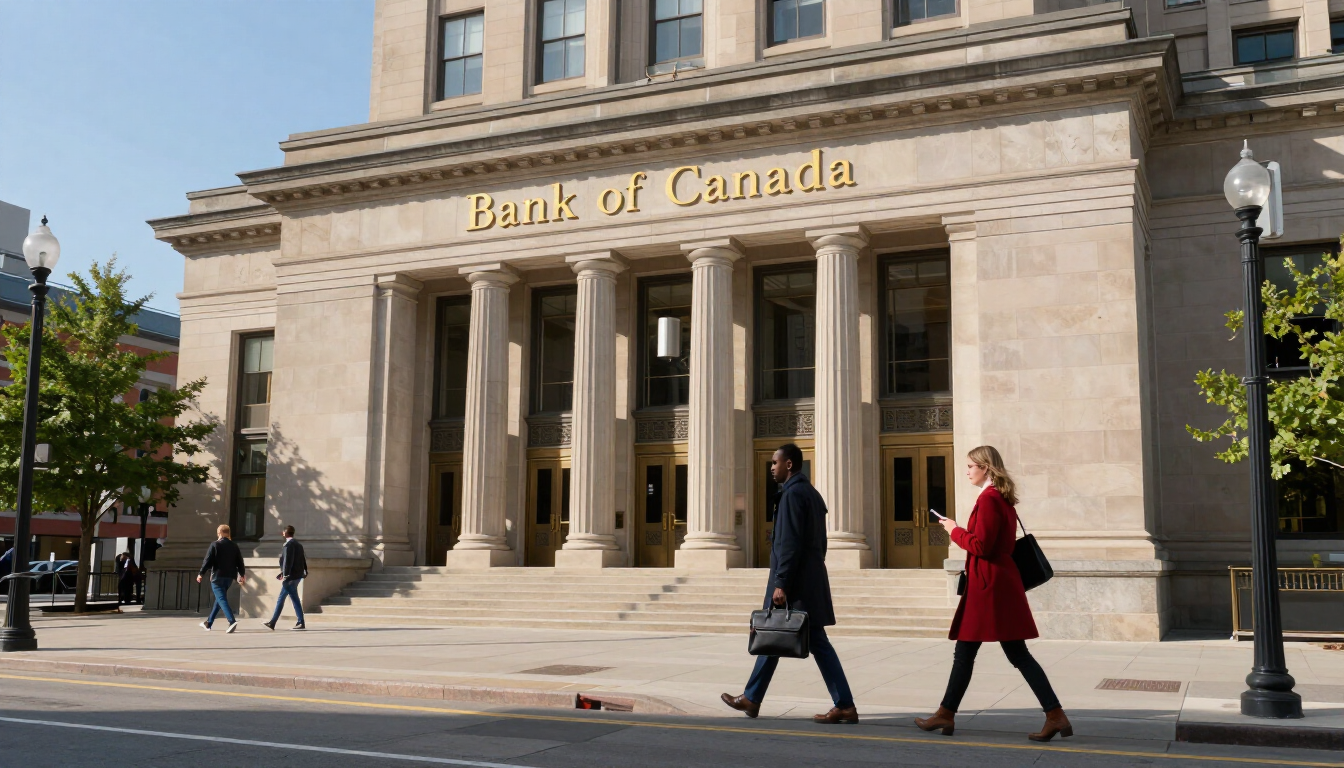
The Bank of Canada announced today that it is holding its target for the overnight rate at 2.25%, with the Bank Rate at 2.5% and the deposit rate at 2.20%. The tone of today's announcement is notably more optimistic than previous months. Here's what's changed and what it means for you.

Thinking About Buying a Second Property? Here’s What to Know Buying a second property is an exciting milestone—but it’s also a big financial decision that deserves thoughtful planning. Whether you're dreaming of a vacation retreat, building a rental portfolio, or looking to support a family member with a place to live, there are plenty of reasons to consider a second home. But before you jump in, it's important to understand the strategy and steps involved. Start with “Why” The best place to begin? Clarify your motivation. Ask yourself: Why do I want to buy a second property? What role will it play in my life or finances? How does this fit into my long-term goals? Whether your focus is lifestyle, income, or legacy planning, knowing your “why” will help you make smarter decisions from the start. Talk to a Mortgage Expert Early Once you’ve nailed down your goals, the next step is to sit down with an independent mortgage professional. Why? Because buying a second property isn't quite the same as buying your first. Even if you’ve qualified before, financing a second home has unique considerations—especially when it comes to down payments, debt ratios, and how lenders assess risk. How Much Do You Need for a Down Payment? Here’s where the purpose of the property really matters: Owner-occupied or family use: You may qualify with as little as 5–10% down, depending on the property and lender. Income property: Expect to put down 20–35%, especially for short-term rentals or if it won’t be occupied by you or a family member. Your down payment amount can be one of the biggest hurdles—but with strategic planning, it’s often manageable. Ways to Fund the Down Payment If you don’t have the full amount in cash, you might be able to tap into your current home’s equity to help fund the purchase. Here are a few ways to do that: ✅ Refinance your existing mortgage to access additional funds ✅ Secure a second mortgage behind your current one ✅ Open a HELOC (Home Equity Line of Credit) ✅ Use a reverse mortgage (in certain age-qualified scenarios) ✅ Take out a new mortgage if your current home is mortgage-free These options depend on your income, credit, home value, and overall financial picture—another reason why having a pro in your corner matters. Second Property Strategy: It’s More Than Just Numbers This purchase should be part of a bigger financial plan—one that balances risk and reward. It’s about: Assessing your full financial health Maximizing your existing assets Minimizing your cost of borrowing Aligning your purchase with your long-term goals Ready to Take the Next Step? There’s no one-size-fits-all answer when it comes to buying a second property. That’s why it helps to talk things through with someone who understands both the big picture and the small details. If you’re ready to explore your options and build a plan to make that second property dream a reality, let’s connect. I’d love to help you take the next step with confidence.

Ready to Buy Your First Home? Here’s How to Know for Sure Buying your first home is exciting—but it’s also a major financial decision. So how can you tell if you’re truly ready to take that leap into homeownership? Whether you’re confident or still unsure, these four signs are solid indicators that you’re on the right path: 1. You’ve Got Your Down Payment and Closing Costs in Place To purchase a home in Canada, you’ll need at least 5% of the purchase price as a down payment. In addition, plan for around 1.5% to 2% of the home’s value to cover closing costs like legal fees, insurance, and adjustments. If you’ve managed to save this on your own, that’s a great sign of financial discipline. If you're receiving help from a family member through a gifted down payment , that works too—as long as the paperwork is in order. Either way, having these funds ready shows you’re prepared for the upfront costs of homeownership. 2. Your Credit Profile Tells a Good Story Lenders want to know how you manage debt. Before they approve you for a mortgage, they’ll review your credit history. What they typically like to see: At least two active credit accounts (trade lines) , like a credit card or loan Each with a minimum limit of $2,000 Open and active for at least 2 years Even if your credit isn’t perfect, don’t panic. There may still be options, such as using a co-signer or working on a credit improvement plan with a mortgage expert. 3. Your Income Can Support Homeownership—Comfortably A steady income is essential, but not all income is treated equally. If you’re full-time and past probation , you’re in a strong position. If you’re self-employed, on contract, or rely on variable income like tips or commissions, you’ll generally need a two-year history to qualify. A general rule: housing costs (mortgage, taxes, utilities) should stay under 35% of your gross monthly income . That leaves plenty of room for other living expenses, savings, and—yes—some fun too. 4. You’ve Talked to a Mortgage Professional Let’s be real—there’s a lot of info out there about buying a home. Google searches and TikToks can only take you so far. If you're serious about buying, speaking with a mortgage professional is the most effective next step. Why? Because you'll: Get pre-approved (and know what price range you're working with) Understand your loan options and the qualification process Build a game plan that suits your timeline and financial goals The Bottom Line: Being “ready” to buy a home isn’t just about how much you want it—it’s about being financially prepared, credit-ready, and backed by expert advice. If you’re thinking about homeownership, let’s chat. I’d love to help you understand your options, crunch the numbers, and build a plan that gets you confidently across the finish line—keys in hand.